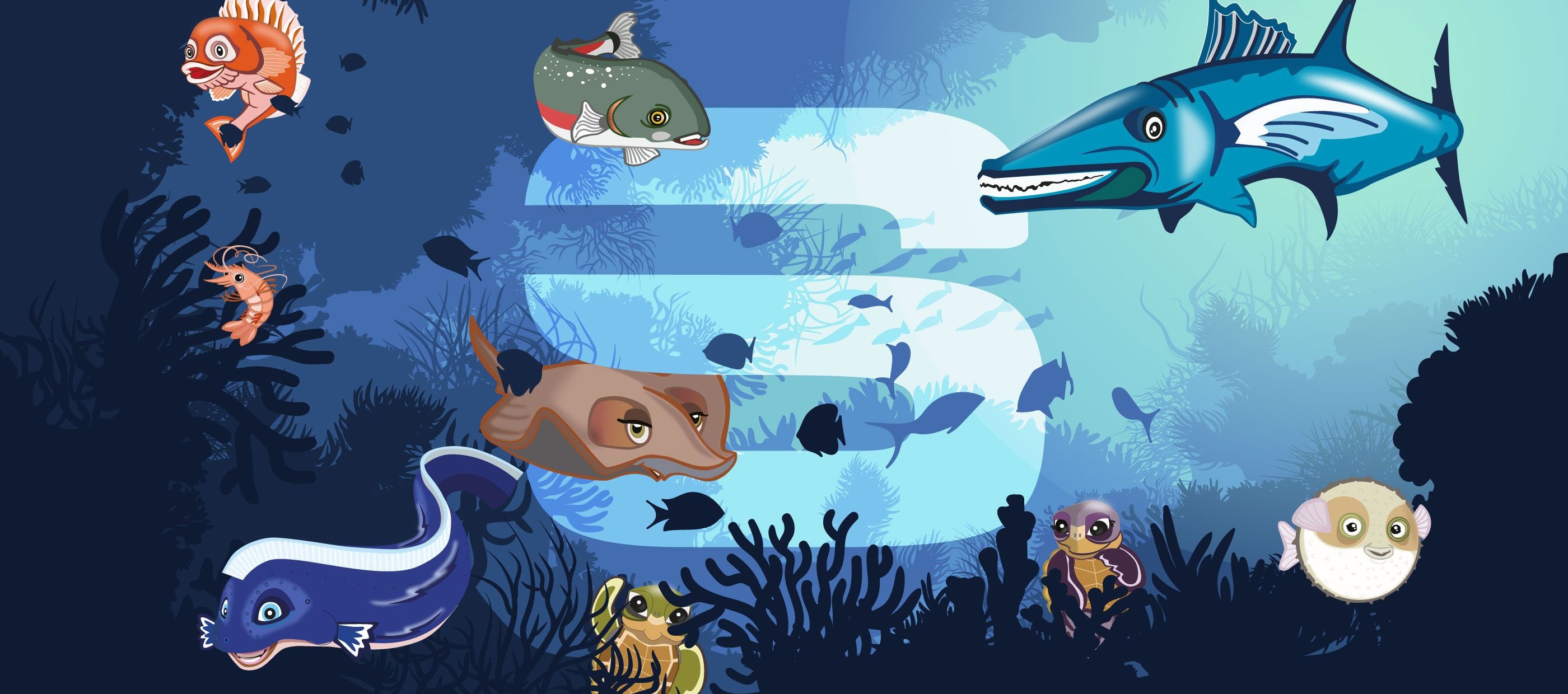
How the ISSA-endorsed Swimtime Learn to Swim Programme works — from Baby Swimtime to Barry Barracuda — how it compares with the Swim England framework, and why it matters for your child.
At a glance
- The Swimtime Learn to Swim Programme is our own awards scheme, endorsed by the International Swim School Association (ISSA).
- It covers Baby Swimtime (0–2), Swimtime Tots (2–4), Learn to Swim 4+ and adults.
- Each level is an Aquatic Friend character, from Ethan Eel to Barry Barracuda.
- Progress is continually assessed, with a certificate for every stage and no time limit to move on.
| Stages 1–2 | Polly Prawn / Ethan Eel |
|---|---|
| Stage 3 | Paloma Pufferfish |
| Stage 4 | Rocco Rockfish |
| Stage 5 | Sabina Stingray |
| Stage 6 | Suki Salmon |
| Stage 7 | Barry Barracuda |
Looking for swimming lessons? Search by postcode or town to see classes near you.
Find lessons near youIntroduction
In the UK, swimming is more than a fun hobby or school sport — it is a vital life skill, and the only physical activity that is a statutory requirement in the national curriculum. A learn to swim framework is the structure that takes a swimmer from first splashes to confident, safe swimming.
At Swimtime, that structure is the Swimtime Learn to Swim Programme — our own independent awards scheme, built around an Aquatic Journey of underwater characters, and endorsed by the International Swim School Association (ISSA). This guide explains how it works, how it compares with the Swim England framework many parents already know, and why it matters for your child.
1. What is the Swimtime Learn to Swim Programme?
The Swimtime Learn to Swim Programme is an innovative approach to swimming teaching and standards, designed to provide enriching learning experiences and equip learners with educational and life skills. It meets the needs of three key groups:
- Baby Swimtime (0–2 years) — adult and child bond and build confidence and safety in the water together.
- Swimtime Tots (2–4 years) — four stages, with and without parental support, under the watchful eye of Polly the Prawn.
- Learn to Swim 4+ — six levels and a total of 17 stages, alongside characters like Rocco the Rockfish and Sabina Stingray, before progressing to our Senior Cadet Programme.
- Adults — from the nervous non-swimmer to the advanced adult who wants to train and develop their skills.
The programme is aligned to Swimtime values and National Curriculum learning outcomes, and it teaches not only stroke technique but, crucially, water safety skills — a skill for life. You can explore every level on our Award Scheme pages.
2. Internationally Endorsed by the ISSA
The Swimtime Learn to Swim Programme is officially endorsed by the International Swim School Association (ISSA), which represents swim schools from the Americas, Australasia and Europe and promotes best practice to raise aquatic standards, produce safer lifelong swimmers and reduce drownings worldwide.
At the time of the endorsement, the Swimtime programme was the only scheme in the world to be endorsed by this international body.
Ross Gage, Executive Director of ISSA, said: “We have reviewed the programme’s educational content, structure and strategy towards child engagement. We have concluded this scheme is an effective, innovative and highly engaging way to encourage children to embark and remain invested in their aquatic learning journey.”
Swimtime is also a member of the International Swim School Association, helping to shape the educational and strategic direction of the industry.
3. The Aquatic Journey: Meet the Aquatic Friends
Each level of the programme is represented by an underwater character based on an animal with real-world swimming skills. Swimmers learn about the traits of Aquatic Friends like Paloma Pufferfish and Barry the Barracuda as they progress — giving children extra incentive to reach the next level. All the characters were hand drawn especially for Swimtime by a former Disney illustrator.
For children aged 4 and over, the levels run in order:
- Ethan Eel — beginners building confidence, floating and kicking
- Paloma Pufferfish — improvers building technique and stamina
- Rocco Rockfish — capable swimmers refining strokes and breathing
- Sabina Stingray — strong swimmers across all main strokes
- Suki Salmon — advanced stroke refinement and endurance
- Barry Barracuda — accomplished swimmers, including lifesaving and rescue skills
4. How Is Progress Measured?
Swimmers’ progress is continually assessed and recorded on our online system, and they receive an award certificate on completion of each stage. Clear, achievable outcomes help to:
- Motivate children by celebrating every milestone
- Guide teachers in lesson planning
- Reassure parents that progress is being made
- Identify areas where extra support is needed
Importantly, there is no time limit for progressing to the next level. The programme grows with your child, so learners progress at their own pace and never feel under pressure to achieve the next level.
5. Swimtime vs Swim England: How the Frameworks Compare
The Swim England Learn to Swim Framework is the most widely recognised national model in the UK, used in many schools, leisure centres and local authority pools, with targets set across Stages 1 to 7. If your child has swum elsewhere, this table shows roughly where they might fit on the Swimtime journey.
| Swim England Stage | Description | Comparative Swimtime Level |
|---|---|---|
| Stage 1 | Water confidence, safe entry/exit, basic floating, blowing bubbles, supported movements. | Polly Prawn (Swimtots) / Ethan Eel (Beginners 4+) |
| Stage 2 | Independent movement, push and glide, basic float rotations, early kicking, travelling 5m. | Ethan Eel |
| Stage 3 | Front crawl, backstroke, breaststroke kicks; water safety; submersion; jumping in; swimming 10m. | Paloma Pufferfish (Improver) |
| Stage 4 | Refining kicking for all four strokes, sculling, treading water, streamlined push & glide. | Rocco Rockfish (Capable Swimmer) |
| Stage 5 | Developing all four strokes with correct body position; scull patterns; 10m of all strokes. | Sabina Stingray (Strong Swimmer) |
| Stage 6 | Longer distances, water safety, surface dives, more complex sculling & rotation. | Suki Salmon (Advanced) |
| Stage 7 | Full stroke efficiency over longer distances, club-entry skills, full sculling set, rescue basics. | Barry Barracuda (Accomplished) |
Both pathways cover the same essentials: water safety and self-rescue, confidence in deep and shallow water, floating, gliding and controlled breathing, the main strokes, and entry and exit techniques. The difference is in the delivery:
- Built around the learner: where the national framework often moves children through pre-set blocks, Swimtime focuses on mastery at your child’s pace.
- Fully inclusive: every level can be adapted to the learner’s individual needs, so children with additional needs can learn alongside their peers.
- Consistent nationwide: class content and learning outcomes are the same across the country, making it easier to move between regions.
- Engaging by design: the Aquatic Friends give children a reason to stay invested in their swimming journey.
6. Who Teaches the Programme?
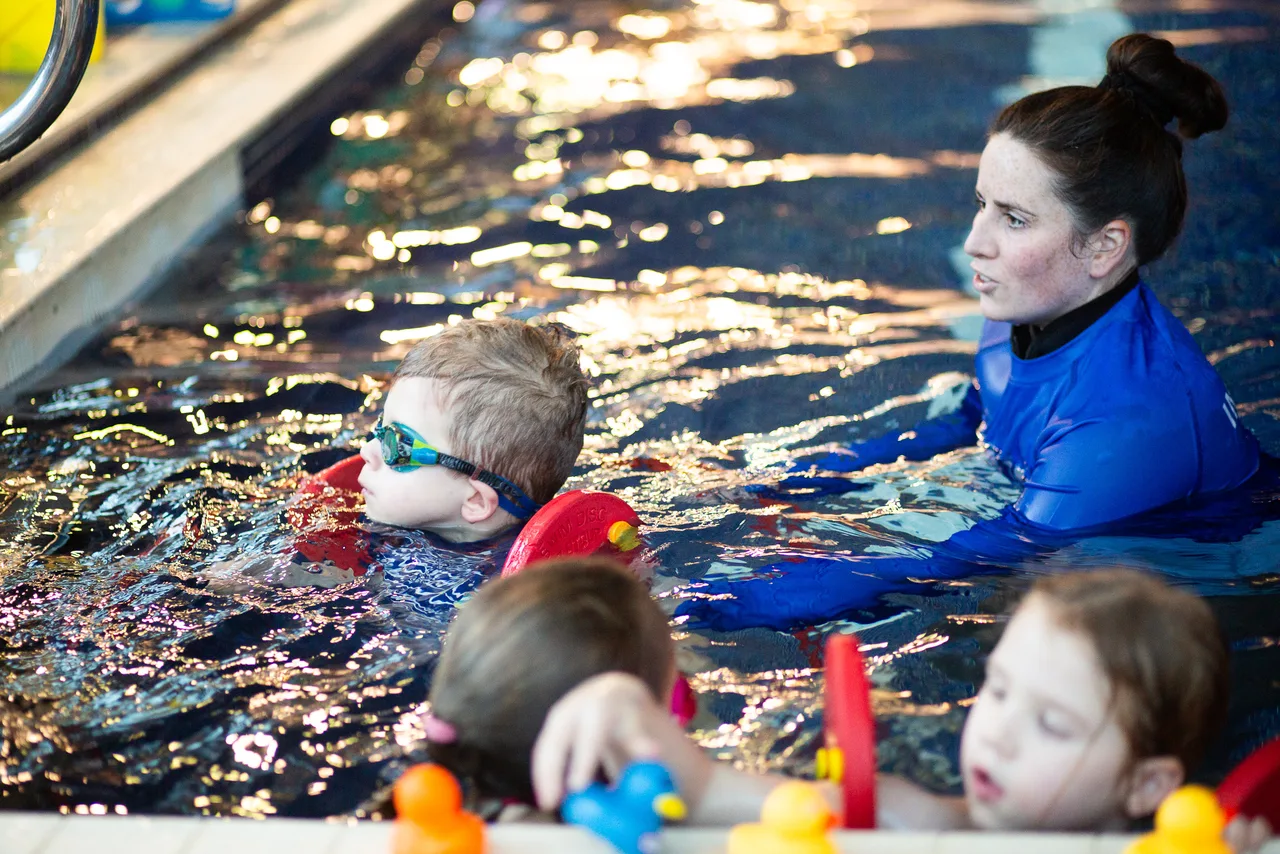
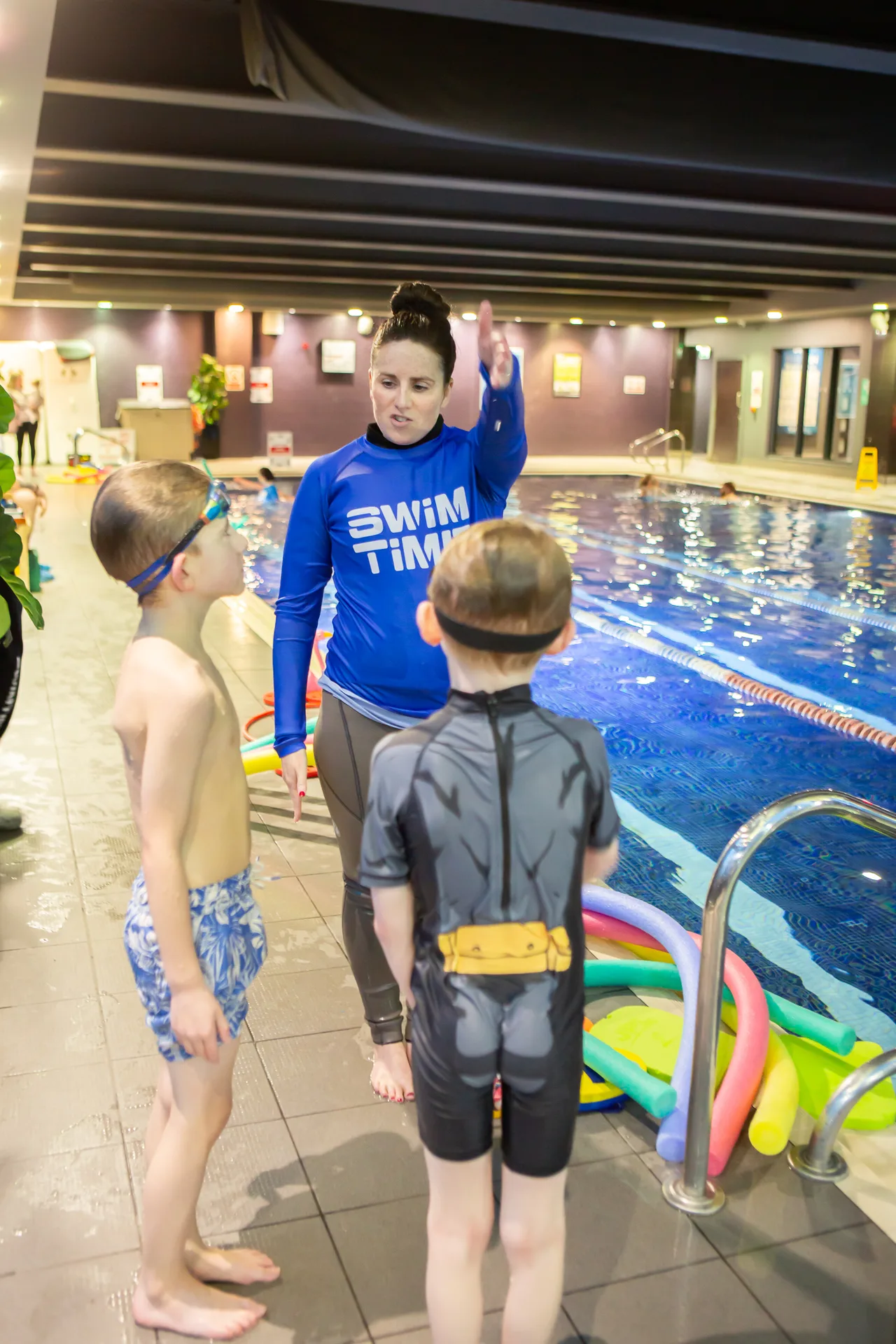
Swimtime lessons are delivered by highly trained Swimtime teachers. All hold a Level 2 swimming teaching qualification from a recognised Awarding Body such as Swim England or STA, a rescue qualification, First Aid training and safeguarding certification — and are trained by Swimtime to deliver an enhanced service. Founded in 1998, Swimtime has developed knowledge and experience that not only complies with internationally respected standards but plays an active role in shaping them. Read more about our teaching standards.
7. Why It Matters
a. Water safety — safe entries and exits, floating and calling for help, supporting others without putting yourself at risk, and self-rescue.
b. Physical and mental development — motor skills, balance and coordination, strength and stamina, confidence and resilience, and learning to focus and achieve goals.
c. Lifelong habits — children who learn early are more likely to stay active, enjoy water-based hobbies and feel confident on holiday and in leisure settings.
8. What Parents Need to Know
a. Don’t compare children. Every child progresses at their own pace. It is normal for some to repeat a stage or fly ahead — it is about safety and confidence, not speed.
b. Practice makes progress. Regular attendance and encouragement outside lessons, like pool fun at weekends, make a big difference.
c. Trust the process. Even when it looks like play, every activity is building core aquatic skills.
Conclusion
A good learn to swim framework gives children confidence, safety, fitness and independence. The Swimtime Learn to Swim Programme delivers those same essential milestones in a way that is personal, engaging and inclusive — and it is recognised internationally by the ISSA.
Not sure which level to book? Use our level checker when you find lessons at a pool near you, or speak to your local Swimtime team.