
Every year on the International Day of Families, families around the world are encouraged to reflect on the importance of connection, wellbeing, and shared experiences. Whilst celebrations often centre around meals, outings, or community events, one environment quietly brings many families together in a uniquely meaningful way: the swimming pool.
Swimming is more than a sport or a survival skill. In a family context, it becomes a shared activity which strengthens trust, communication, health, and confidence across generations. From toddlers splashing in the shallow end to grandparents enjoying gentle lane swimming, the water offers an activity where everyone can participate at their own level.
This blog explores how swimming supports family life, why aquatic environments are ideal for building stronger relationships, and how families can make the most of their time in the water.
Why swimming works so well as a family activity
Many recreational activities are age-specific. Young children might enjoy playgrounds, teenagers prefer sport or social activities, and older adults often seek low-impact exercise. Swimming bridges these gaps. Water naturally levels the playing field. The buoyancy of water reduces strain on joints, allowing older adults to move comfortably, whilst the sensory experience keeps children engaged. Parents, children, and grandparents can all share the same space, even if they are doing slightly different activities. Key reasons swimming works so well for families include:
- Universal accessibility: non-weight-bearing movement makes swimming suitable for most ages and abilities.
- Flexible participation: structured lessons, free play, or casual exercise can happen side-by-side.
- Shared learning: children often gain confidence when learning alongside parents or siblings.
- Minimal equipment: a safe pool and supervision are often all that is required.
For many families, the pool becomes one of the few places where everyone can genuinely participate together.
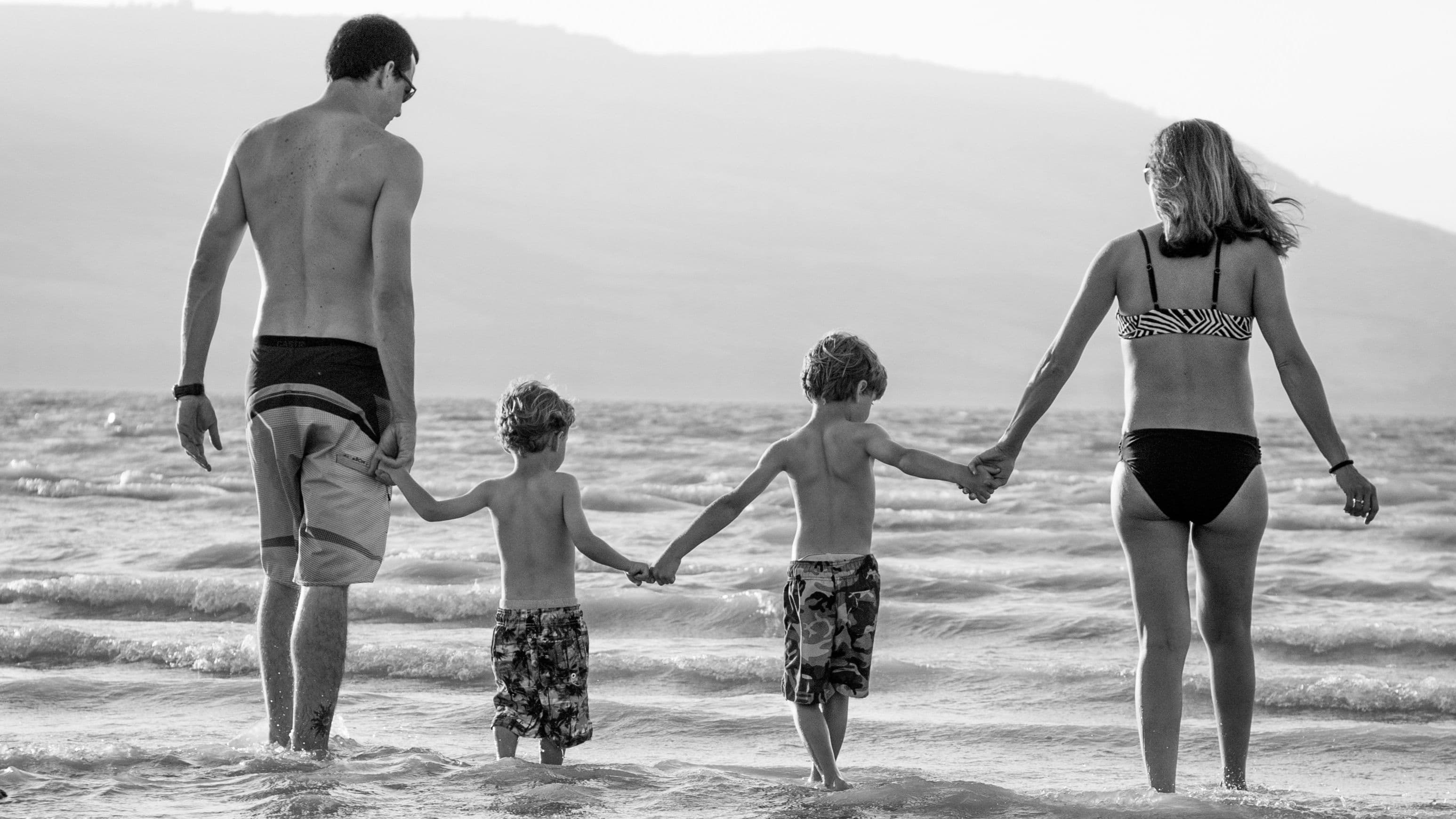
Early water experiences build lifelong confidence
For young children, swimming often begins as a parent-led activity. Baby and toddler sessions introduce the water through gentle games, floating, and supported movement. These early experiences provide several benefits:
Safety foundations
Children who develop water familiarity early tend to feel calmer and more confident around aquatic environments later in life.
Physical development
Water movement promotes balance, coordination, and body awareness.
Parent-child bonding
Close physical support in the water (holding, guiding, encouraging) creates strong emotional connections.
Parents often report that their child’s first confident float or underwater glide becomes a memorable family milestone.
The role of siblings in swimming progression
Pools also offer a natural setting for sibling relationships to develop. Older children frequently model skills for younger siblings: kicking, blowing bubbles, or floating on their backs. This informal mentorship often accelerates learning because younger swimmers see the skill performed by someone they trust. At the same time, younger siblings can motivate older ones. Many older children become more patient, responsible, and encouraging when they realise their progress inspires someone else.
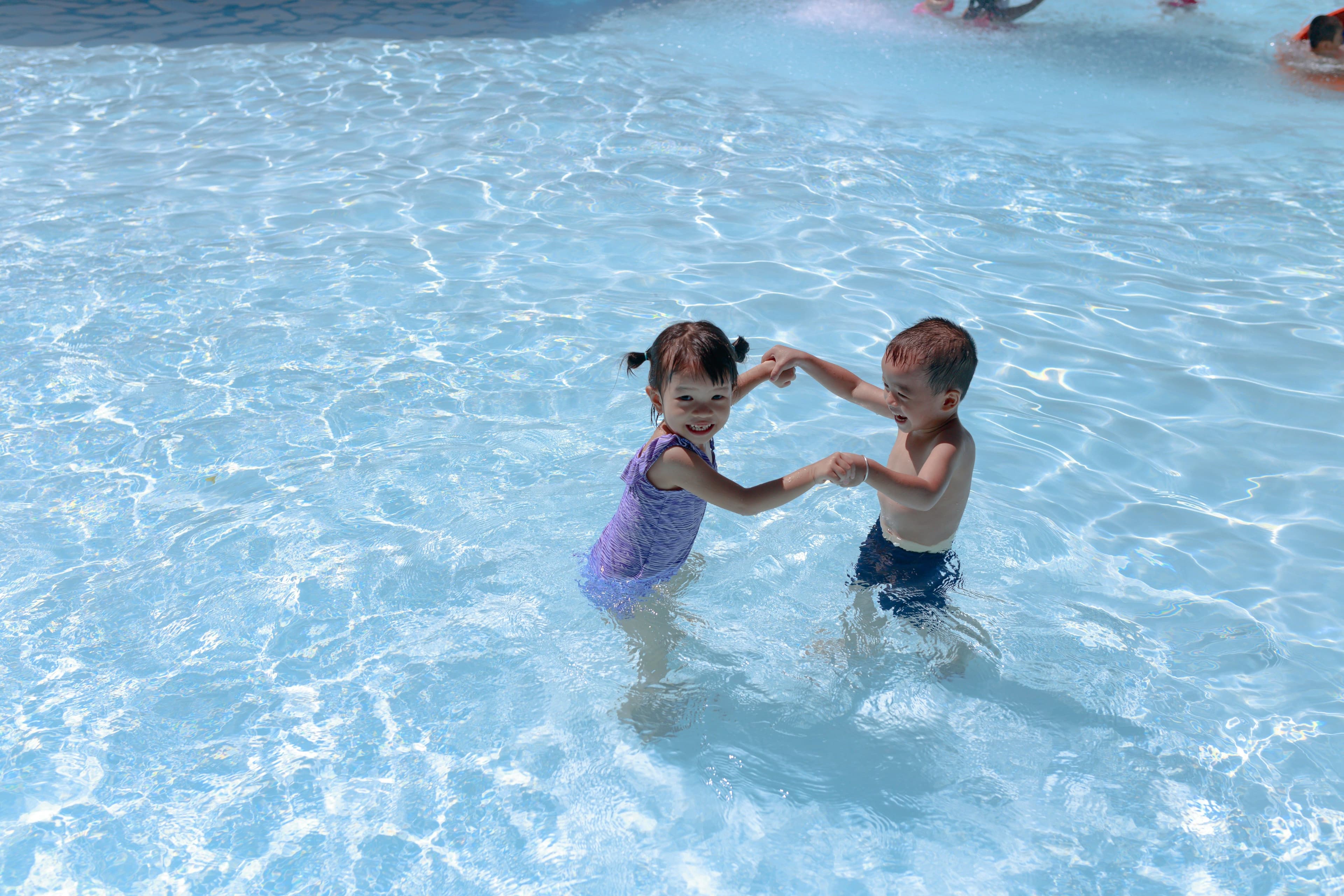
Family swim sessions can therefore become a small ecosystem of learning where:
- Older children demonstrate
- Younger children imitate
- Parents guide and supervise
- Everyone celebrates small improvements
This shared journey transforms skill development into a collective experience rather than an individual one.
“Naomi Brown - Swimtime Yorkshire teacher”Teaching swimming to siblings is a rewarding experience. The moment they enter the water it’s, “ I can be swim faster than you!” And suddenly swimming is no longer a lesson and it’s a full blown competition! Times like this is where rivalry appears, but always inspires them to focus and improve.
Of course, there is always distractions and giggles throughout the lessons but these moments make the lessons more enjoyable. Watching siblings grow together, build trust and celebrate achievements side by side is very special.

Communication and trust in the water
Water environments encourage clear communication. Instructions must be concise, demonstrations visible, and encouragement immediate. Families frequently develop stronger communication patterns in the pool because:
- Safety requires attentiveness
- Learning new skills requires patience
- Progress happens through encouragement rather than pressure
When a parent helps a child attempt their first unaided swim, the moment is built on trust. The child trusts the adult’s guidance, and the adult learns when to step back and allow independence. These interactions mirror broader family dynamics – support, gradual independence, and shared achievement.
Simple ways your family can celebrate this day at the pool
Marking International Day of Families does not require elaborate planning. A thoughtful visit to the pool can become a meaningful celebration. Consider these practical ideas:
Family challenge sets
Create simple tasks everyone can attempt, such as floating for ten seconds, swimming a short distance, or practising safe entries.
Skill sharing
Encourage each family member to teach one skill to another – perhaps a new kick drill or breathing technique.
Water games
Play cooperative games such as passing a floating ball whilst treading water or completing relay swims.
Reflect on progress
Take a moment to recognise how everyone’s swimming has improved over time.
Building a family tradition around swimming
Families who regularly swim together often develop lasting traditions: weekend pool visits, holiday swims, or summer open-water adventures. These rituals create consistent opportunities for connection. In a busy modern schedule, the simplicity of “family swim time” can become one of the most reliable ways to reconnect.
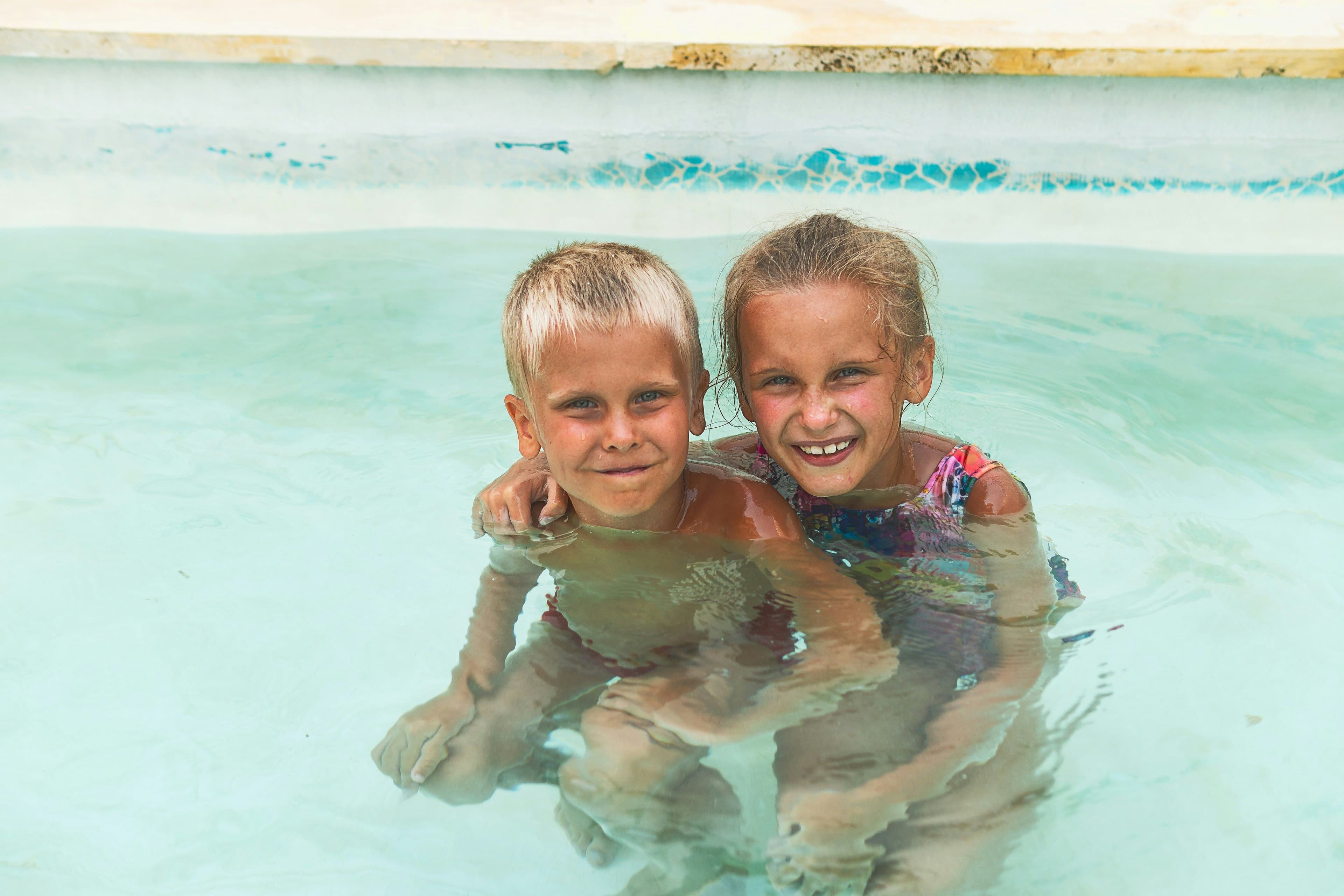
Over time, the memories accumulate:
- A child’s first independent length
- Siblings racing across the pool
- Parents rediscovering fitness in the water
- Grandparents joining gentle sessions for movement and mobility
The pool becomes part of the family story.
The spirit of the International Day of Families is rooted in connection, wellbeing, and shared experiences. Swimming naturally embodies these values. It offers families a space where learning, exercise, and enjoyment happen simultaneously. Everyone moves at their own pace, yet everyone participates in the same experience.
If there is one simple takeaway, it is this: the most important skill developed in the pool may not be the perfect technique – it may be the sense of confidence and belonging which comes from sharing the water together. For many families, this is the real legacy of swimming.

 reflects on how swimming builds confidence, creates lasting memories, and encourages teamwork between parents and children. &display=popup)
