Whether you're a parent, a new swimmer or swim teacher, or someone looking to understand how structured swimming education works, this post will guide you through everything you need to know about the Learn to Swim Framework - what it is, how it’s structured, and why it plays such a crucial role in teaching children to swim safely and confidently.
Introduction
In the UK, swimming is more than a fun hobby or school sport—it's a vital life skill. It's also the only physical activity that's a statutory requirement in the national curriculum. But how exactly do children go from first splashes to swimming 25 metres unaided with good technique and safety awareness?
That’s where the Learn to Swim Framework comes in.
Whether you're a parent, a new swim teacher, or someone looking to understand how structured swimming education works, this post will guide you through everything you need to know about the Learn to Swim Framework—what it is, how it’s structured, and why it plays such a crucial role in teaching children to swim safely and confidently.
1. What is the Learn to Swim Framework?
The Learn to Swim Framework (LTSF) is a structured programme designed to take non-swimmers—typically children—on a progressive journey through water confidence, safety, and stroke development.
The most widely recognised version in the UK is Swim England’s Learn to Swim Framework. However, similar structures are followed by other organisations (including STA and bespoke schools like Swimtime), often tailored slightly to suit their learners.
At its core, the framework provides:
- Clear stages of progression
- Measurable outcomes for each stage
- Age-appropriate skill development
- A strong emphasis on water safety and confidence
Think of it as the swimming equivalent of learning to read: you start with phonics and letters, move on to words and sentences, then progress to fluency and comprehension.
2. Why Was the Framework Developed?
Historically, swimming lessons in the UK varied widely in content, expectations, and delivery. Some focused heavily on stroke technique, while others prioritised games or unstructured play. This inconsistency meant many children:
- Didn't meet national safety targets
- Lost motivation or confidence
- Had gaps in their aquatic skills
The Learn to Swim Framework was developed to:
- Create a nationally consistent, high-quality approach
- Support teachers with a clear teaching sequence
- Help children and families track progress
- Ensure all learners acquire essential life-saving skills
3. Who is the Learn to Swim Framework For?
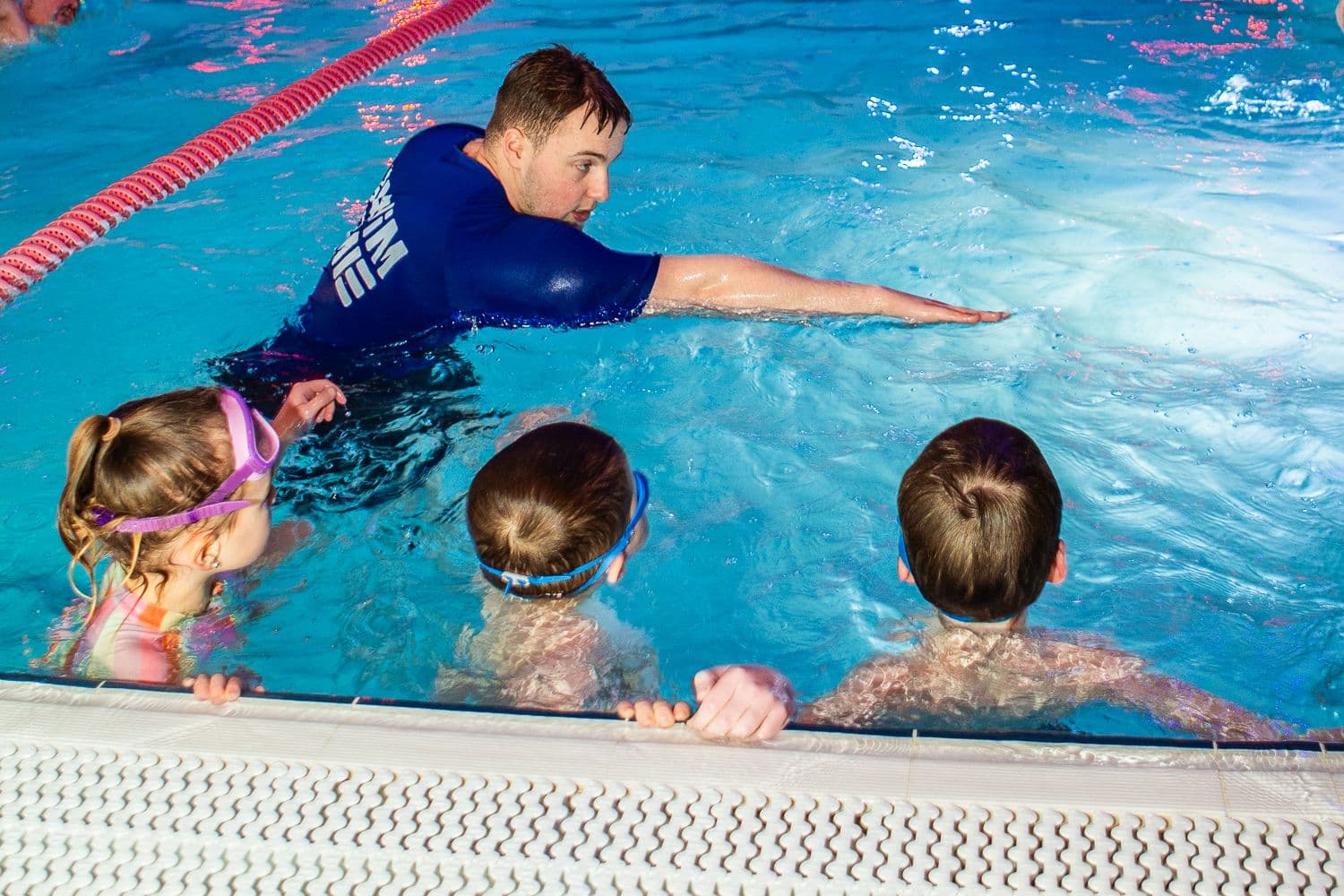
Primarily designed for children aged 3 to 11, the framework can be adapted to suit a wide range of learners, including:
- Toddlers (through pre-school stages)
- Older children who missed early lessons
- Children with SEND or neurodiversity
- Adults who want structured progression
It’s never too late to start. While the framework was built for young swimmers, the principles—progressive learning, safety-first, confidence-building—are universal.
4. The Learn to Swim Framework vs. Swimtime’s Bespoke Pathway
When it comes to teaching children to swim, consistency and structure matter. The Swim England Learn to Swim Framework is the most widely recognised national model in the UK. At Swimtime, we’ve built on the strengths of this framework to create our own bespoke Learn to Swim pathway, uniquely tailored to meet the needs of modern families and diverse learners.
Here’s how they compare:
Swim England National Framework – A Proven Foundation
The national Learn to Swim Framework provides a stage-by-stage progression from complete beginner to confident swimmer. It is widely used in schools, leisure centres, and local authority pools, with clear targets set across Stages 1 to 7.
Structure:
- Stage 1–4: Water confidence, safety, basic movement
- Stage 5–7: Stroke development, endurance, rescue skills
- Includes optional awards such as distance badges, survival skills, and water safety awards
Benefits:
- Nationally recognised
- Clear, standardised progression
- Focus on achieving specific technical outcomes
Limitations:
- Less flexible to individual learning styles
- Often delivered in large group settings
- Can feel rigid or overwhelming to anxious or neurodivergent children
Swimtime’s Bespoke Learn to Swim Pathway – Built Around You
At Swimtime, we’ve reimagined the traditional framework into a learner-centric, inclusive programme that delivers the same essential milestones—but in a way that feels personal, engaging, and adaptive.
Swim England vs Swimtime – Learn to Swim Level Comparison
| Swim England Stage | Description | Comparative Swimtime Level | Swimtime Description |
|---|---|---|---|
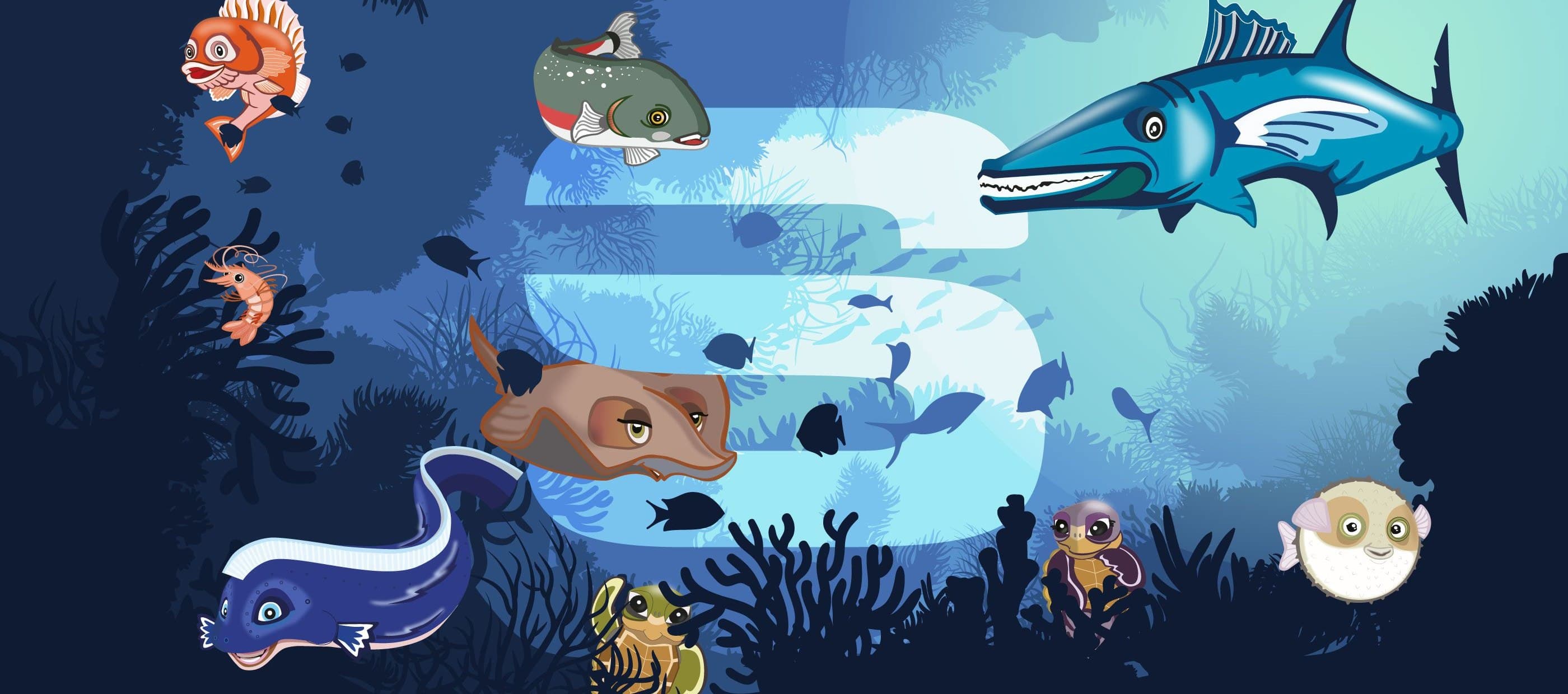
| Stage 1 | Water confidence, safe entry/exit, basic floating, blowing bubbles, supported movements. | Polly Prawn (Swimtots) / Ethan Eel (Beginners 4+) | Polly: Parent-assisted confidence building for younger children. Ethan: Beginner stage for 4+, learning confidence, floating, kicking with aids. |
| Stage 2 | Independent movement, push and glide, basic float rotations, early kicking, travelling 5m. | Ethan Eel | Developing independent swimming with flotation aids; learning body position, kicking, basic propulsion. |
| Stage 3 | Front crawl, backstroke, breaststroke kicks; water safety; submersion; jumping in; swimming 10m. | Paloma Pufferfish (Improver) | Building technique and stamina on all strokes; increased independence; introduction to skills like submerging and basic rotation. |
| Stage 4 | Refining kicking for all four strokes, sculling, treading water, streamlined push & glide. | Rocco Rockfish (Capable Swimmer) | Improving stroke technique; stronger kicking; controlled breathing; introduction to deeper technique and coordination. |
| Stage 5 | Developing all four strokes with correct body position; learning scull patterns; 10m of all strokes. | Sabina Stingray (Strong Swimmer) | Demonstrating proficiency across all main strokes; stronger coordination; better timing; introduction to endurance. |
| Stage 6 | Swimming longer distances, water safety, surface dives, more complex sculling & rotation. | Suki Salmon (Advanced) | High-level stroke refinement; endurance building; advanced water skills such as diving, turns, deeper water confidence. |
| Stage 7 | Full stroke efficiency over longer distances, skills needed for club entry, full sculling set, rescue basics. | Barry Barracuda (Accomplished) | Experienced swimmers up to age 12; strong technique on all strokes; stamina; introduction to lifesaving and rescue skills. |
Just like the national framework, Swimtime’s pathway covers:
- Water safety and self-rescue
- Confidence in deep and shallow water
- Floating, gliding, and controlled breathing
- Strokes: front crawl, backstroke, breaststroke, and basic butterfly
- Entry and exit techniques, diving, and treading water
But the delivery, flexibility, and learner experience are what set Swimtime apart.
Whereas the national framework often moves children through pre-set blocks, Swimtime focuses on mastery at your child’s pace—so there’s no pressure to “keep up” and no ceiling on confidence.
“Swimtime’s Philosophy: Learning Through Fun
”Children learn best when they feel safe, relaxed, and supported. That’s why our bespoke Learn to Swim programme incorporates:
- Game-based instruction
- Positive reinforcement
- Adaptations for sensory and emotional needs
- Tutors trained in both skill delivery and child development
The goal isn’t just to tick off a skill—it’s to build water confidence for life.
5. How Is Progress Measured?
One of the major strengths of the framework is its clear, achievable outcomes. Each stage has specific “I can…” statements such as:
- “I can float on my back for 10 seconds.”
- “I can swim 10 metres using a recognised stroke.”
- “I can tread water for 30 seconds without support.”
This helps:
- Motivate children by celebrating every milestone
- Guide teachers in lesson planning
- Reassure parents that progress is being made
Identify areas where extra support is needed
6. Why Does the Framework Matter?
a. Ensures Water Safety
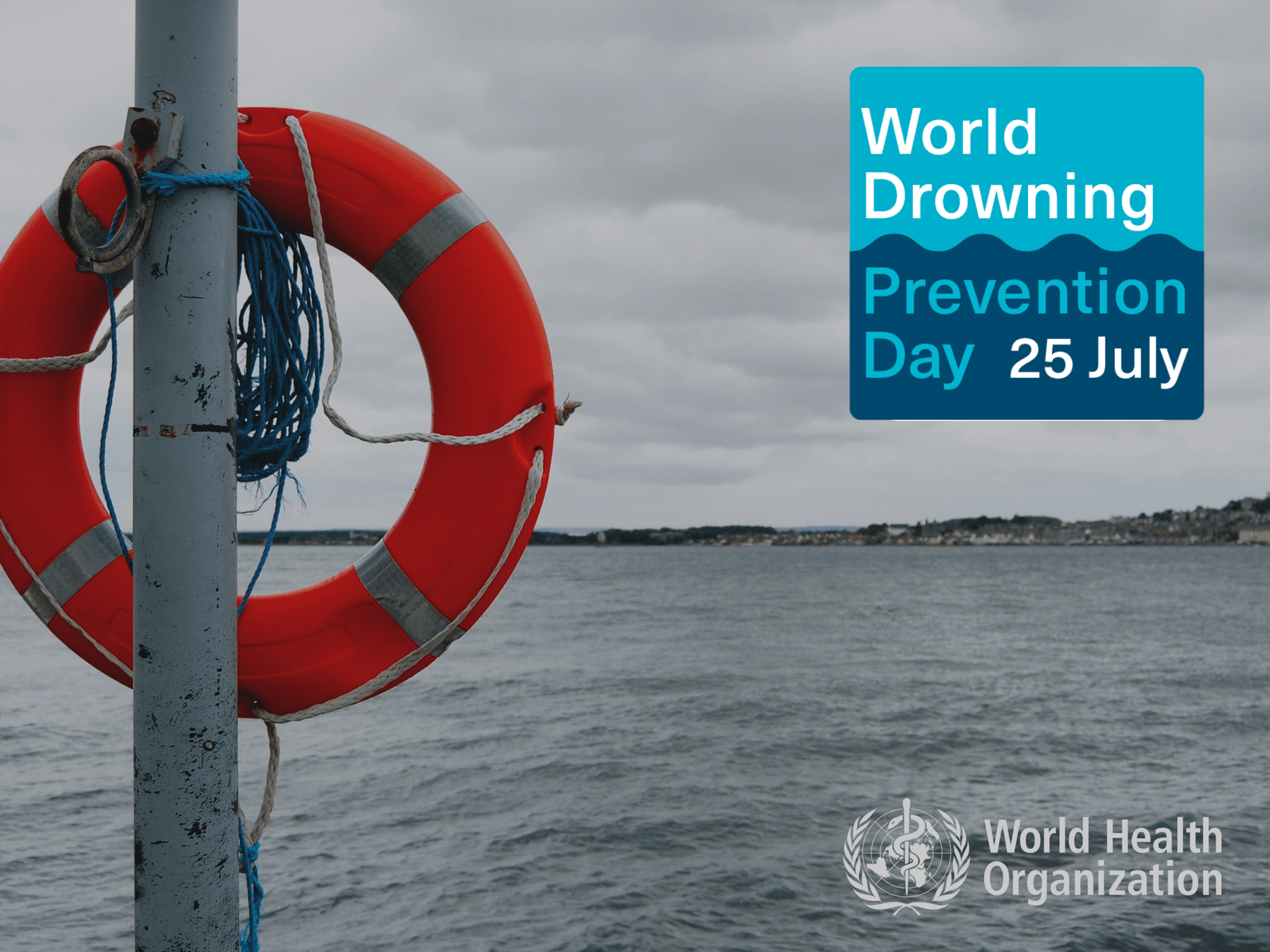
Drowning is one of the leading causes of accidental death in children. The framework teaches:
- Safe entry and exits
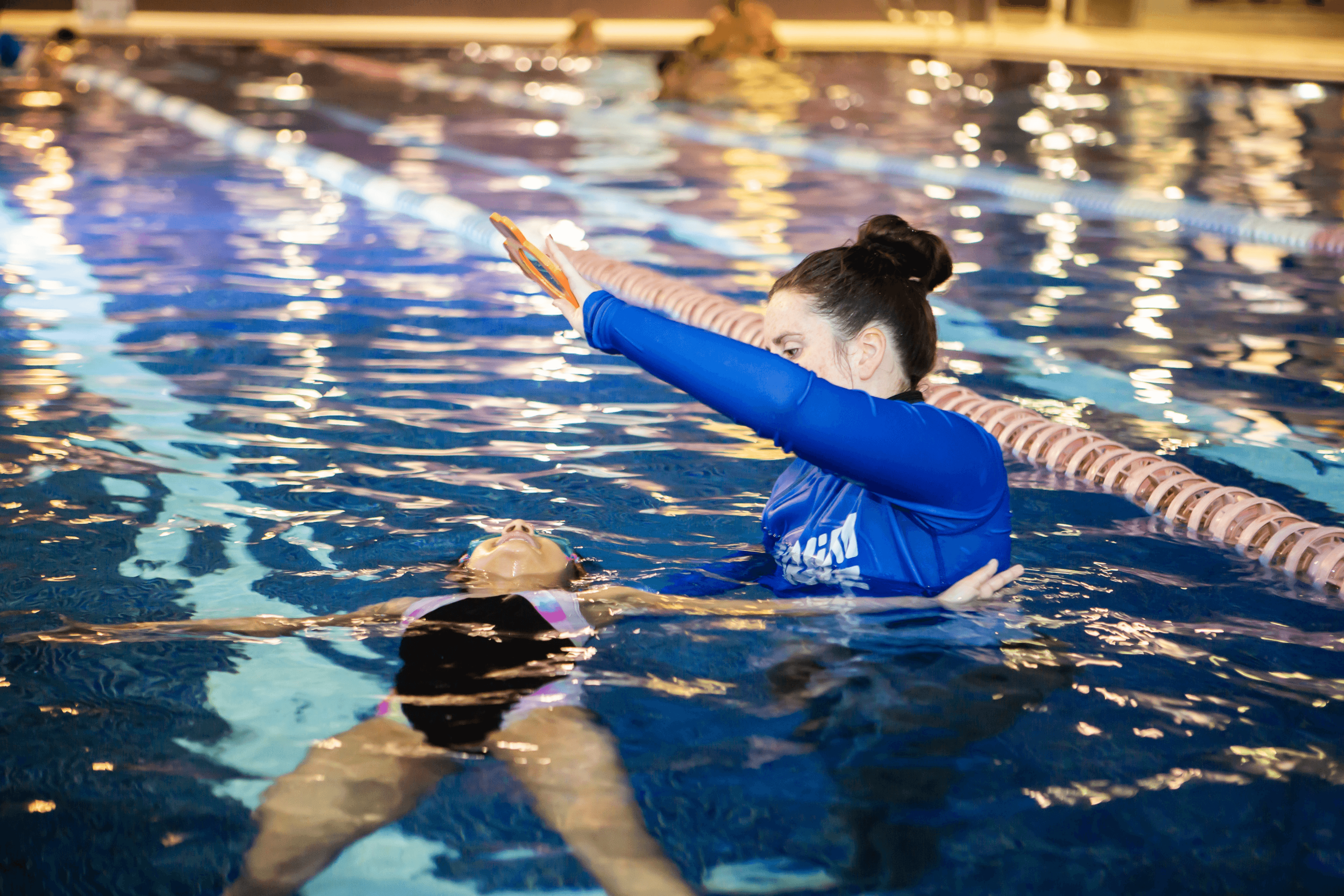
- How to float and call for help
- How to support others without putting themselves at risk
- Self-rescue techniques in both pool and open water
b. Supports Physical and Mental Development
Learning to swim helps children:
- Improve motor skills, balance, and coordination
- Develop strength and stamina
- Build confidence and resilience
- Learn to focus, follow instructions, and achieve goals
c. Builds Lifelong Habits
Early structured learning increases the likelihood that children will:
- Stay active throughout life
- Take part in water-based hobbies
- Feel confident in leisure or travel settings
- Choose healthy lifestyles
7. How Swimtime Uses the Framework
At Swimtime, we use a modified version of the Learn to Swim Framework that keeps all the core principles while making it more:
- Fun and engaging
- Accessible to neurodiverse and SEN learners
- Flexible for modern family life
We use:
- Small class sizes
- Individual progress tracking (digital and physical)
- Play-based learning to support development
- Highly trained instructors who work at the learner’s pace
Whether you’re booking for a toddler or a 10-year-old, you’ll see visible, structured progress—without the pressure.
8. What Parents Need to Know
a. Don't Compare Children
Every child progresses at their own pace. It’s normal for some to repeat a stage or fly ahead—it’s about safety and confidence, not speed.
b. Practice Makes Progress
Swimming is a cumulative skill. Regular attendance and encouragement outside of lessons (like pool fun at weekends) can make a big difference.
c. Trust the Process
The framework has been designed and refined by national experts. Even if it looks like "play," every activity is building core aquatic skills.
9. The Future of the Learn to Swim Framework
With the growing emphasis on inclusion, mental wellbeing, and lifelong health, the framework continues to evolve. Innovations include:
- Digital tracking for parents
- Teacher training
- More focus on emotional confidence and self-regulation
- Integrated life-saving skills from earlier stages
As swimming culture changes, the framework ensures that teaching methods and milestones stay relevant, measurable, and meaningful.
Conclusion: Why It Matters More Than Ever
In a world where water safety is essential and active lifestyles are critical for health, the Learn to Swim Framework offers more than lesson plans—it provides a roadmap for life.
It equips children with:
- Confidence
- Safety
- Fitness
- Independence
- Joy
It empowers parents to know their children are on track. It supports teachers with structure and purpose. And it helps communities ensure that no child is left behind when it comes to swimming.
If you’re a parent looking to start lessons or a teacher building your approach—the Learn to Swim Framework is the foundation that matters.